Chapter 1
The Manufacturing Revolution
From Morocco's $6.3 billion battery gigafactory to East Africa's motorcycle assembly lines, the continent is building its electric future.
Two distinct manufacturing corridors are emerging across Africa—one in the north, focused on batteries and components for export, and one spanning East and West Africa, building vehicles for local markets.
Assembly Process
Anatomy of an Electric Scooter
Scroll to explore how African manufacturers are assembling electric two-wheelers—from frame to finish.
Step 1 of 7
The Blueprint
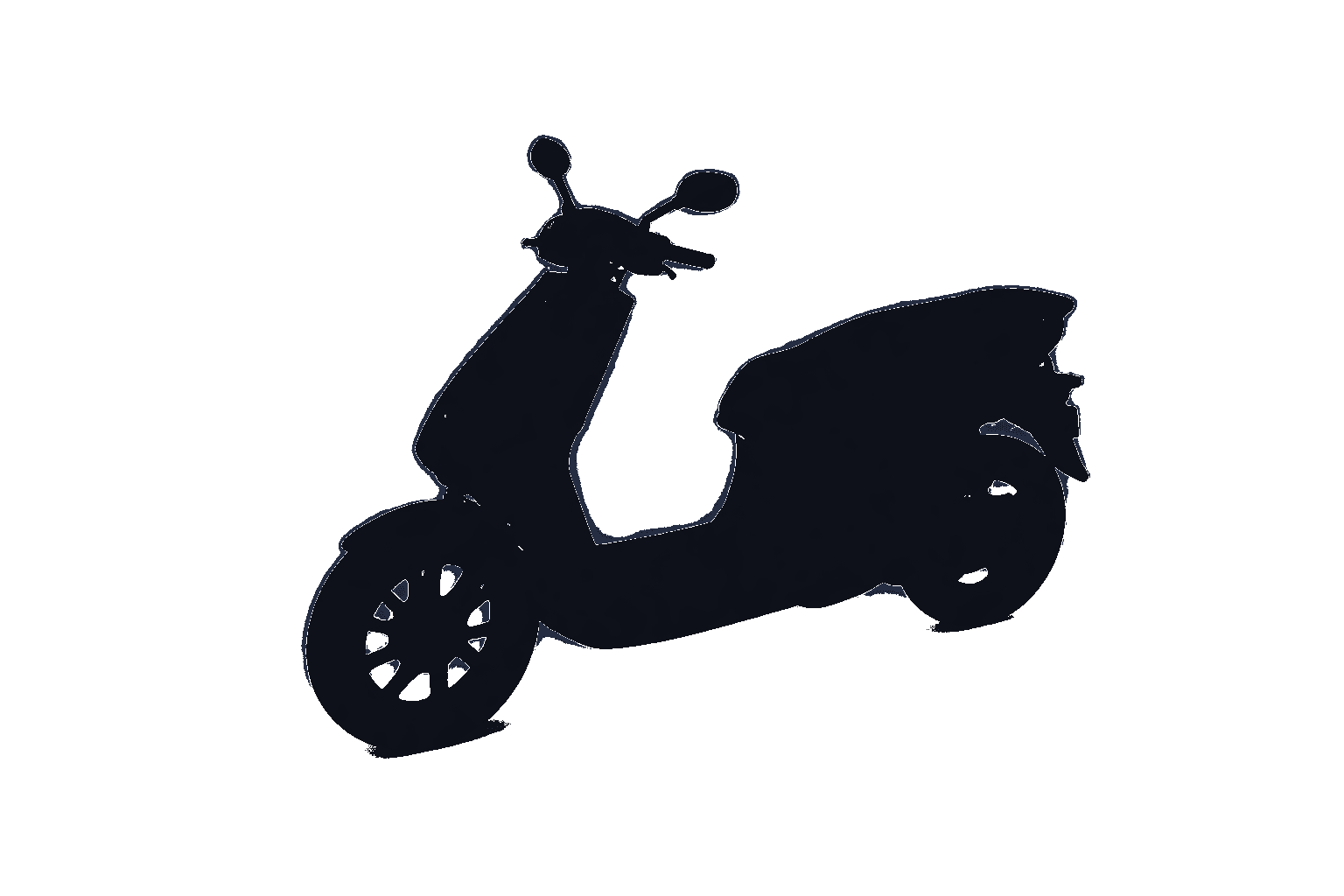
Every electric scooter begins with a vision—a silhouette that will transform urban mobility across African cities.
Step 1 of 7
The Blueprint
Every electric scooter begins with a vision—a silhouette that will transform urban mobility across African cities.
Step 2 of 7
The Frame
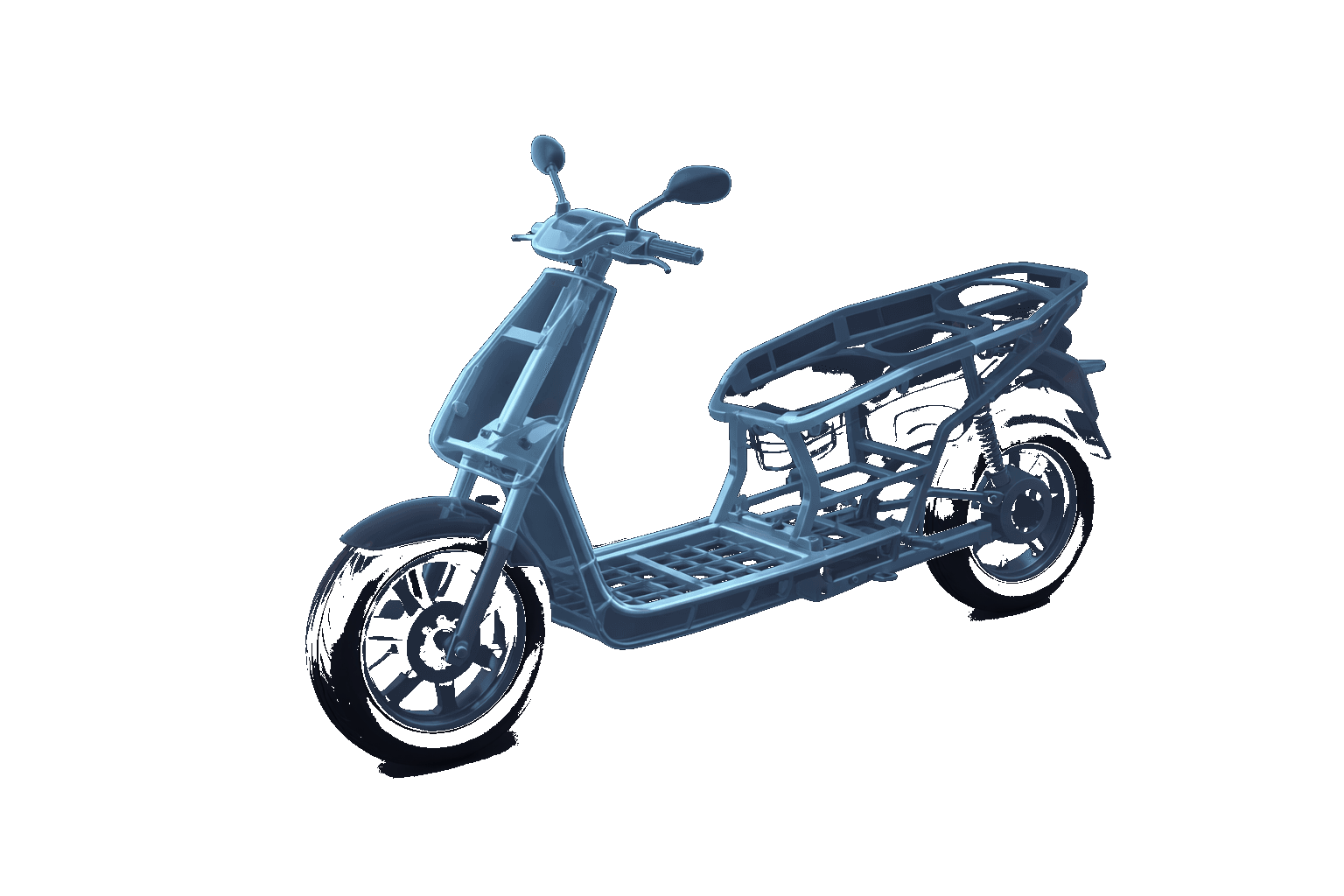
The chassis forms the backbone. African manufacturers are designing frames optimized for local road conditions and tropical climates.
Step 3 of 7
Wheels & Suspension
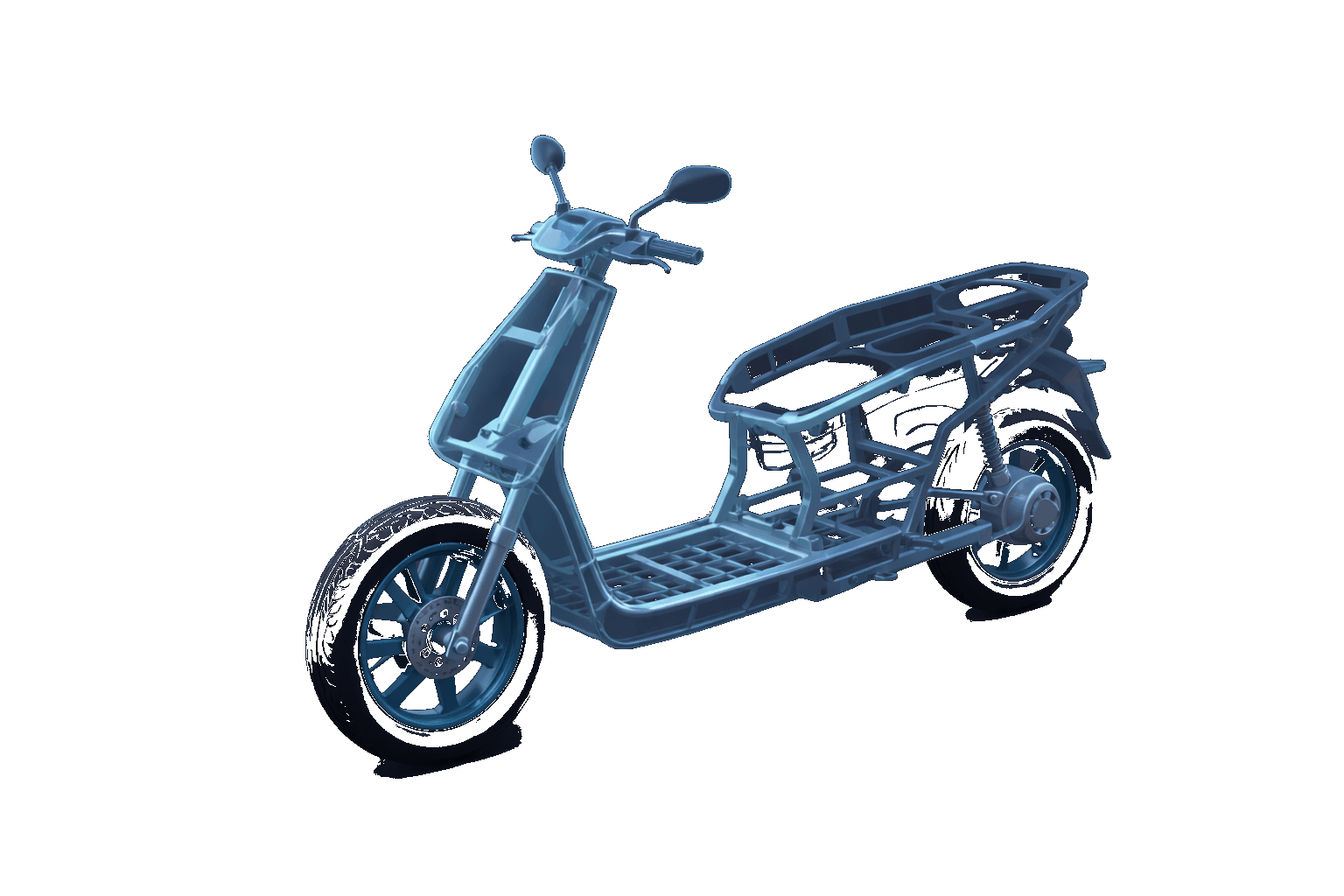
Robust wheels and suspension systems engineered for unpaved roads, potholes, and the diverse terrain found across the continent.
Step 4 of 7
The Battery Pack
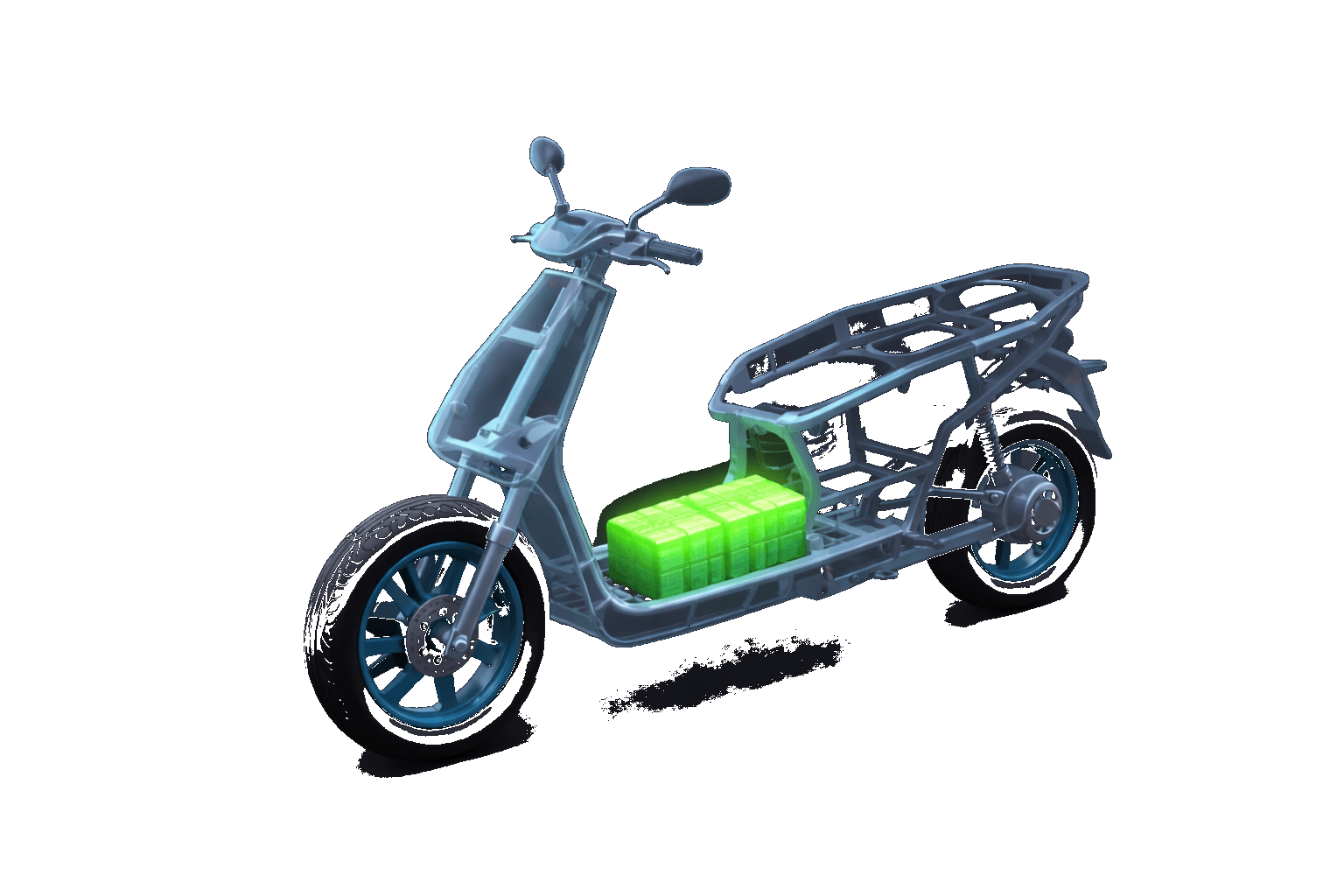
The heart of every EV. Morocco's gigafactories and swappable battery networks are revolutionizing how Africa powers its vehicles.
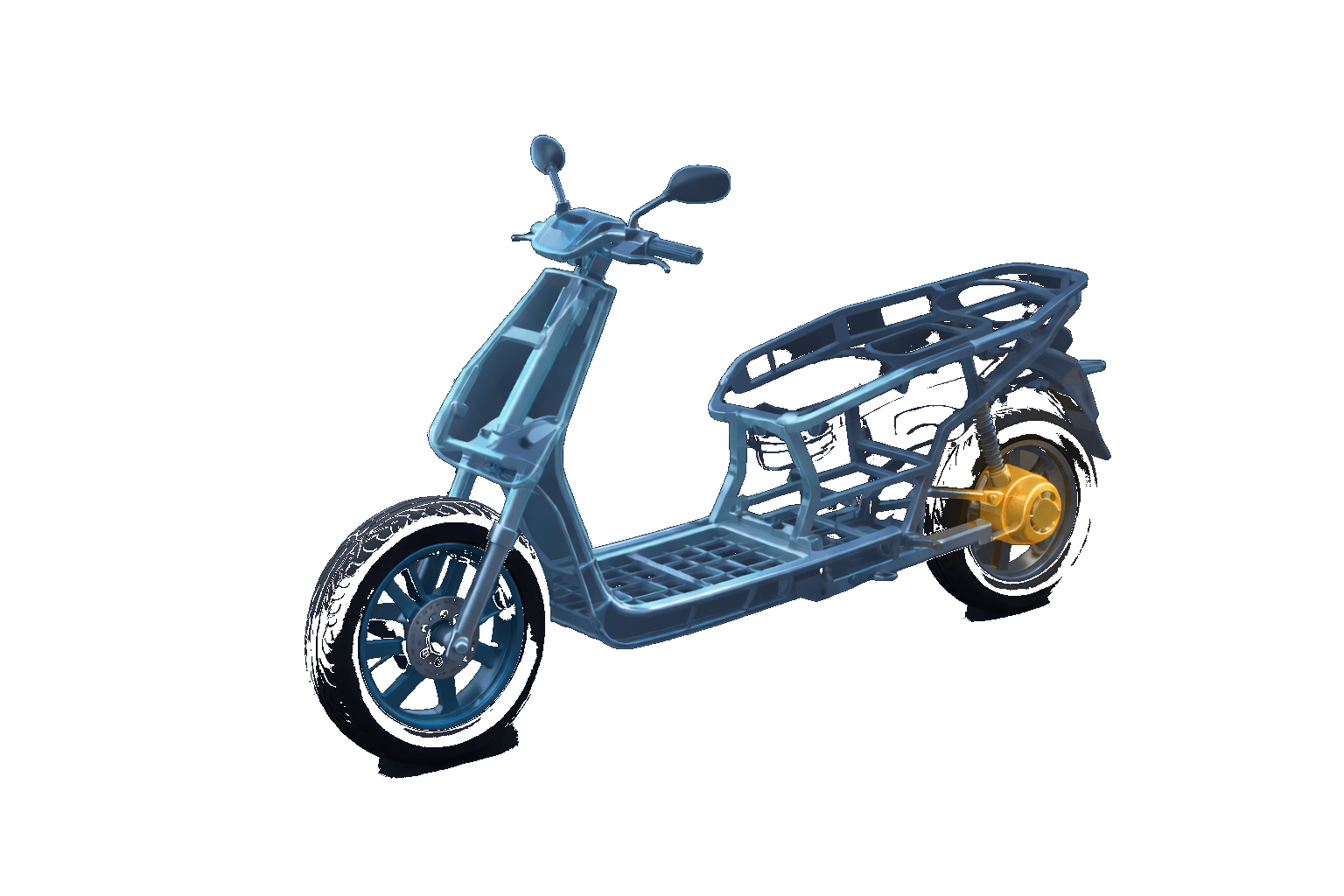
Step 5 of 7
Electric Motor
Silent, efficient, and powerful. Electric motors deliver instant torque—perfect for navigating congested city streets.
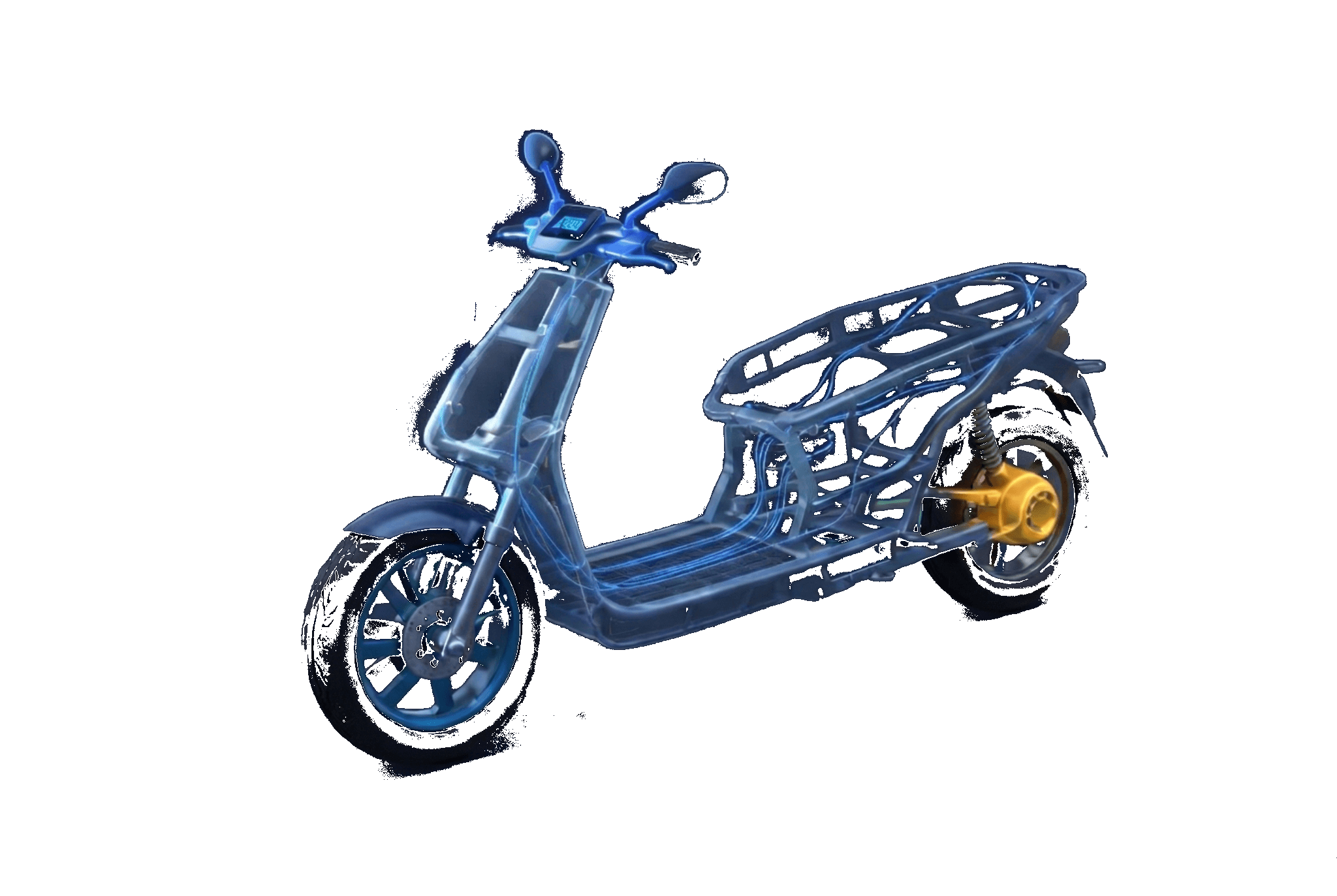
Step 6 of 7
Controls & Wiring
Smart electronics and wiring harnesses connect every component, enabling regenerative braking and intelligent power management.
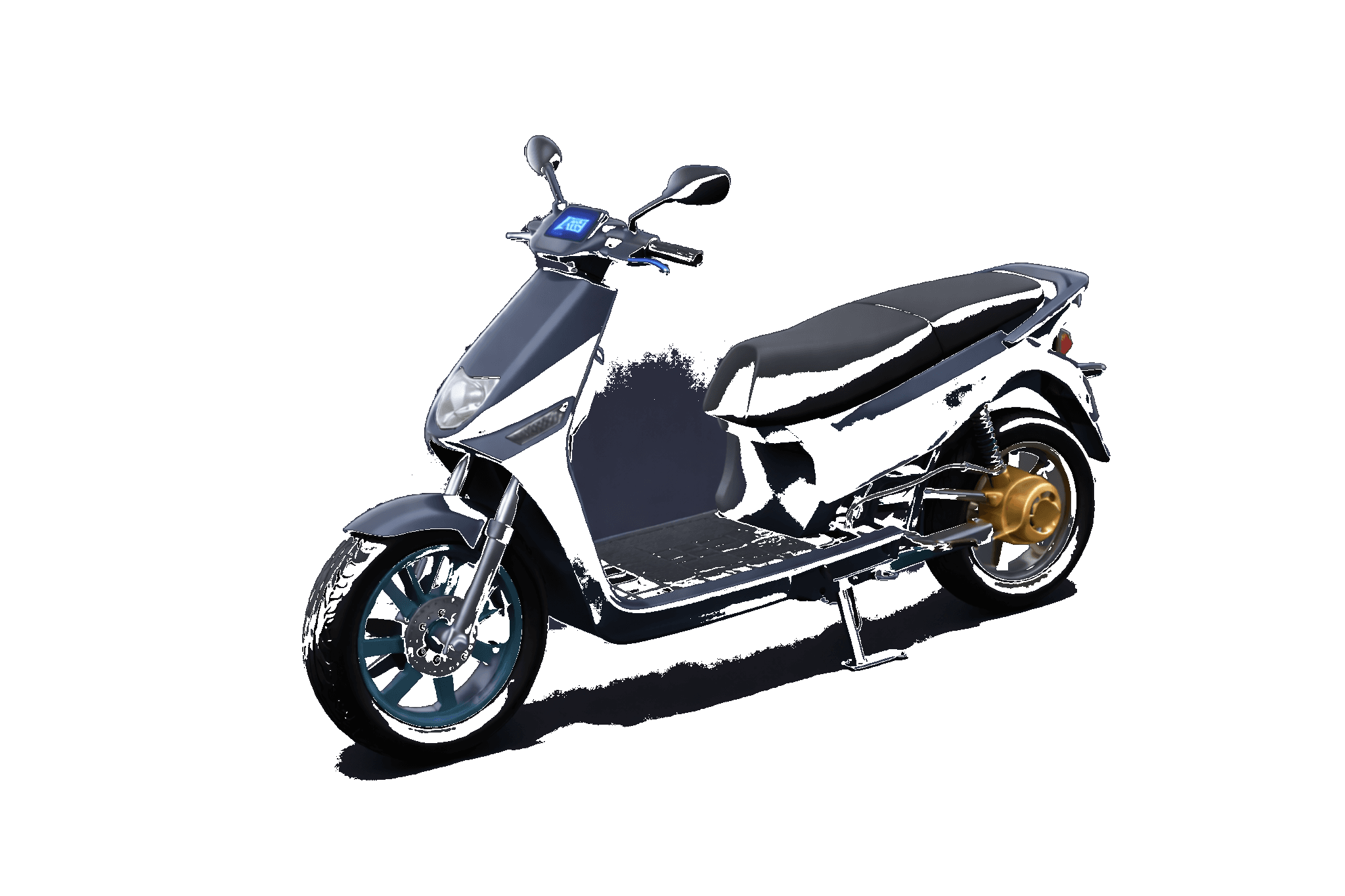
Step 7 of 7
Complete Assembly
From raw components to road-ready vehicle. This is how Africa is building its electric future—one scooter at a time.
Each component represents a step toward energy independence—a future where African cities move on African-built electric vehicles.
Manufacturing by Country
Step 1
Two Manufacturing Corridors
Africa's EV manufacturing is emerging along two distinct corridors: North Africa focused on batteries and components, and East/West Africa focused on vehicle assembly.
Step 2
North Africa Leads in Scale
Morocco and Egypt are attracting billions in investment for battery production, leveraging their proximity to European markets and existing automotive infrastructure.
Step 3
East Africa Innovates
Kenya, Uganda, and Rwanda are pioneering local assembly of two and three-wheelers, building vehicles designed specifically for African roads and climates.
Step 4
The Supply Chain Builds
From CKD (Complete Knock-Down) kits to locally sourced components, manufacturers are progressively increasing African content in every vehicle.
Manufacturing by Country
North Africa
Morocco: Africa's Battery Powerhouse
Morocco has emerged as Africa's undisputed leader in EV component manufacturing. The country secured $6.3 billion in investments for the Gotion gigafactory alone—the largest single EV investment on the continent.
The strategy is deliberate. Morocco sits at the crossroads of Europe and Africa, with free trade agreements spanning both continents. Its automotive sector already employs over 220,000 people and produces vehicles for Renault, Stellantis, and others.
With 100 GWh of planned annual capacity, Morocco could become one of the world's top five battery producers by 2030.
The Gotion facility will create an estimated 17,000 direct manufacturing jobs, with thousands more in the supply chain. Morocco is betting that batteries, not just assembled vehicles, are the key to Africa's EV future.
East Africa
Building for Local Roads
While North Africa focuses on exports, East African manufacturers are solving a different problem: building electric vehicles designed for African conditions.
Kenya's Roam assembles electric motorcycles and buses in Nairobi, adapting designs for tropical heat and unpaved roads. Uganda's Kiira Motors is developing Africa's first fully indigenous EV brand. Rwanda's Ampersand has pioneered motorcycle assembly focused on the boda-boda (motorcycle taxi) market.
These aren't just assembly operations copying imported designs. Companies are engineering solutions for realities that global manufacturers ignored: batteries that handle extreme heat, suspensions built for rough terrain, and modular designs that local mechanics can service.